
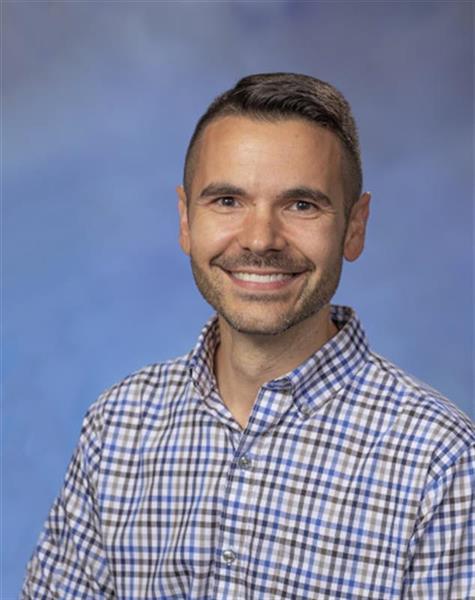
Brian Liechty
Transcript
Jump to live
Jump to live
Sermon Text
Genesis 34:1-31
Previous
NEXT
Transcript
Jump to live
Jump to live
Sermon Text
Genesis 34:1-31
All
Sermons
Events
Journal
Get weekly updates on what's coming up, what to pray for, and what we're learning together.
Wedding Coordinator
Wedding Coordinator

Administrative Assistant for Outreach
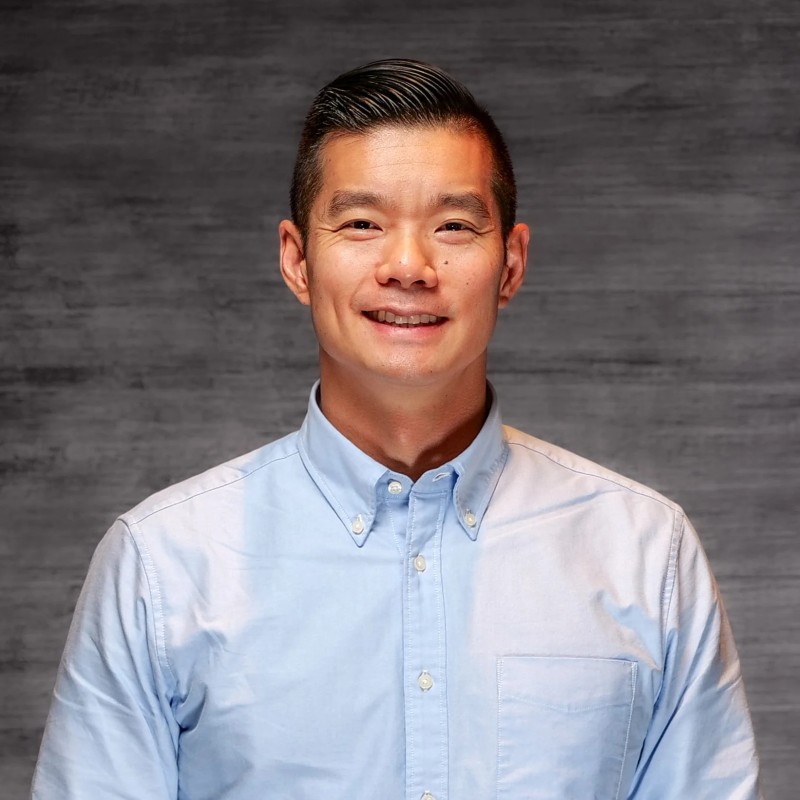
Pastor for Preaching & Vision
Steven has served The North Church since 2017. He leads the staff team, oversees the preaching, and works alongside the elders in vision and strategy. His passion is for every believer to be transformed by God’s word in the context of a Christlike community in order to shine forth as witnesses of Jesus. He longs to see unbelievers discover the saving work and eternal worth of Jesus.
Previously, Steven pastored at College Church in Wheaton, IL and helped plant a multi-ethnic church in San Diego, CA. Steven writes occasionally for Desiring God and is a graduate of Bethlehem College & Seminary (MDiv) and the University of California San Diego. He is married to Stephanie and together they have five children.
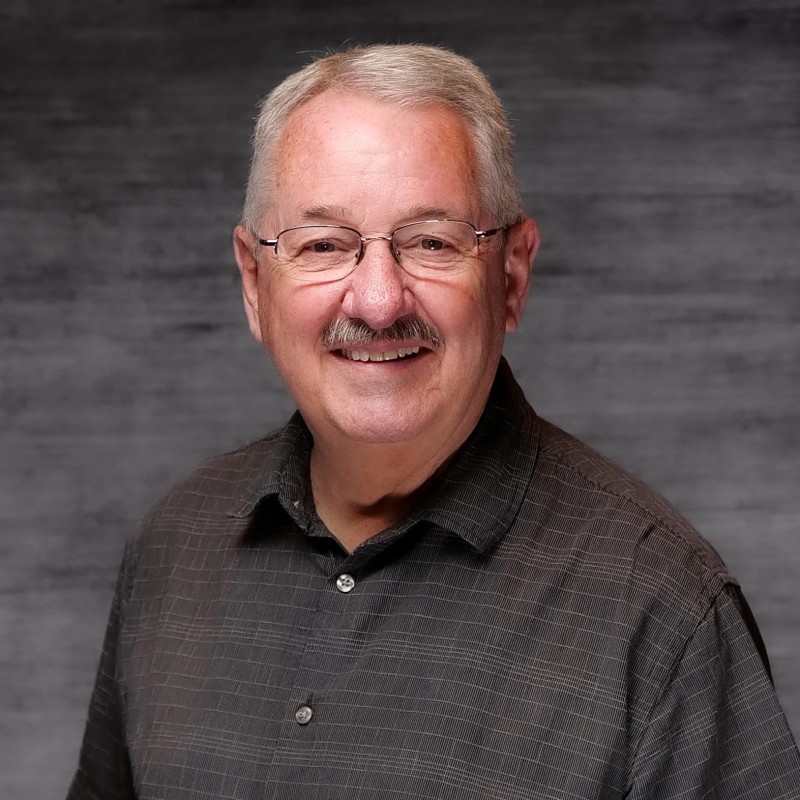
Pastor for Care
Sam (with Vicki - married in 1973) responded to the call to join the pastoral staff in 1997 as Executive Pastor. His letter of acceptance stated his aim is to foster an unbridled enthusiasm for the preeminence of Jesus. He currently serves as the Pastor for Care at The North Church. God has used this ordinary jar of clay to publish a few books, some of which have been translated into Portuguese, Korean, and Spanish. To stay active he takes sunrise bicycle rides and plays pickle ball.
He and Vicki enjoy two daughters, two son-in-laws, and six grandchildren.
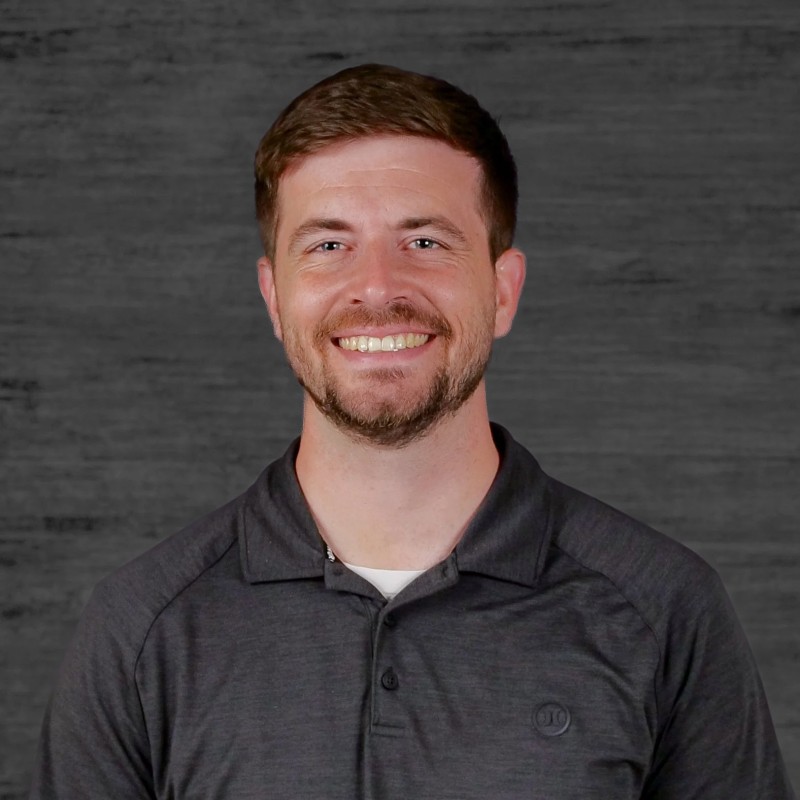
Pastor for Discipleship
While in seminary at Bethlehem College and Seminary, Josh, along with his wife Baileigh, attended the North Church and ministered with youth and families. After several years of developing curriculum and teaching classes for pastors around the world with Training Leaders International, Josh applied to serve at The North Church to serve as Pastor for Discipleship and was voted into the role on May 19, 2024. In ministry, Josh loves to help others see and savor Christ from the Scriptures, grow in their ability to use their gifts and minister to others, and live in joyful community together. God has given Josh and Baileigh the wonderful gift of four children to instruct, guide, and enjoy.
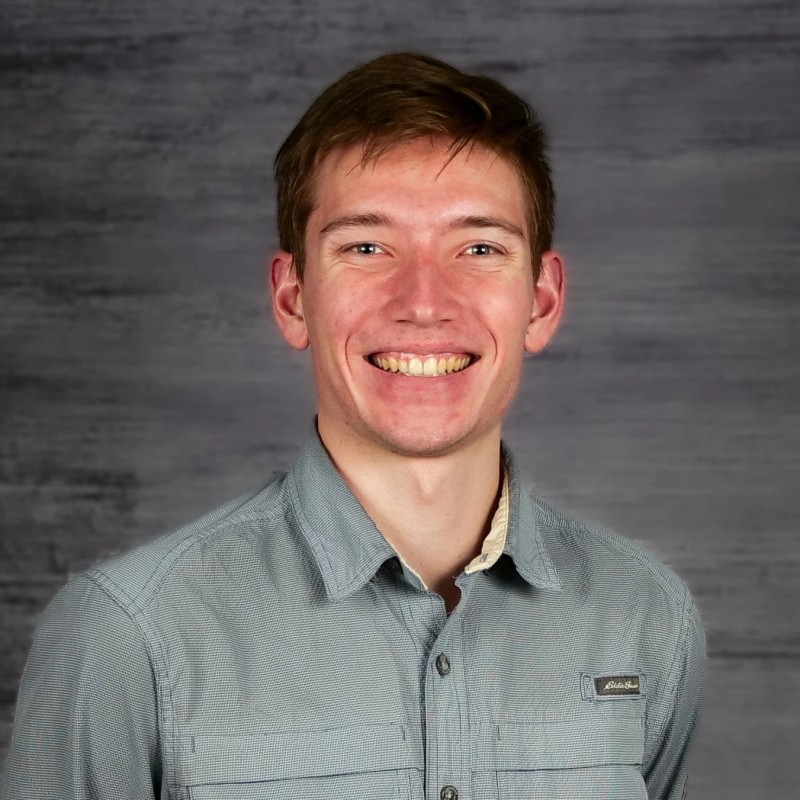
Ministry Assistant for High School Discipleship
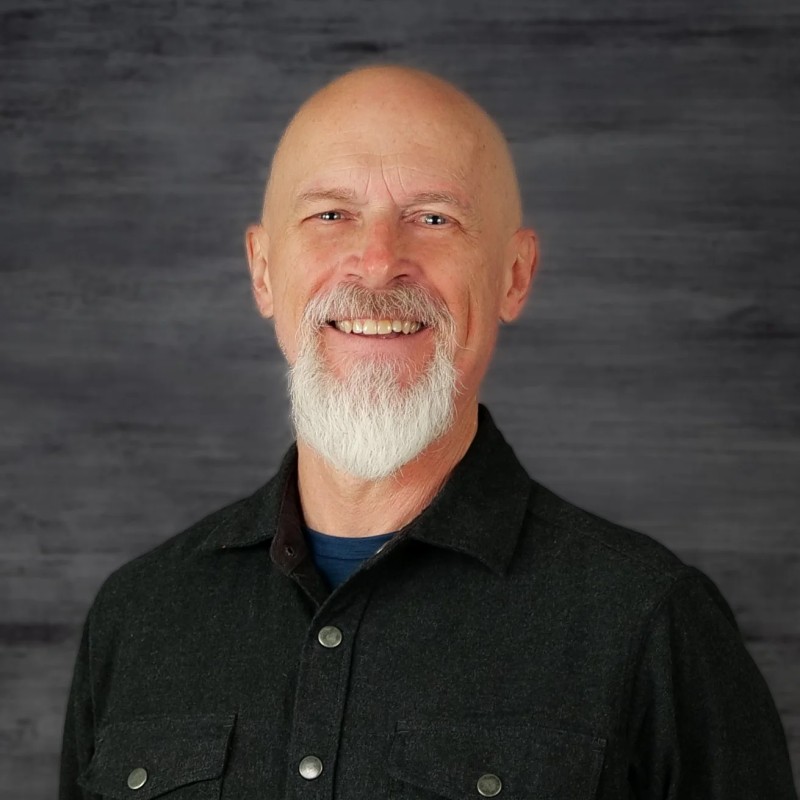
Director for Security & Safety
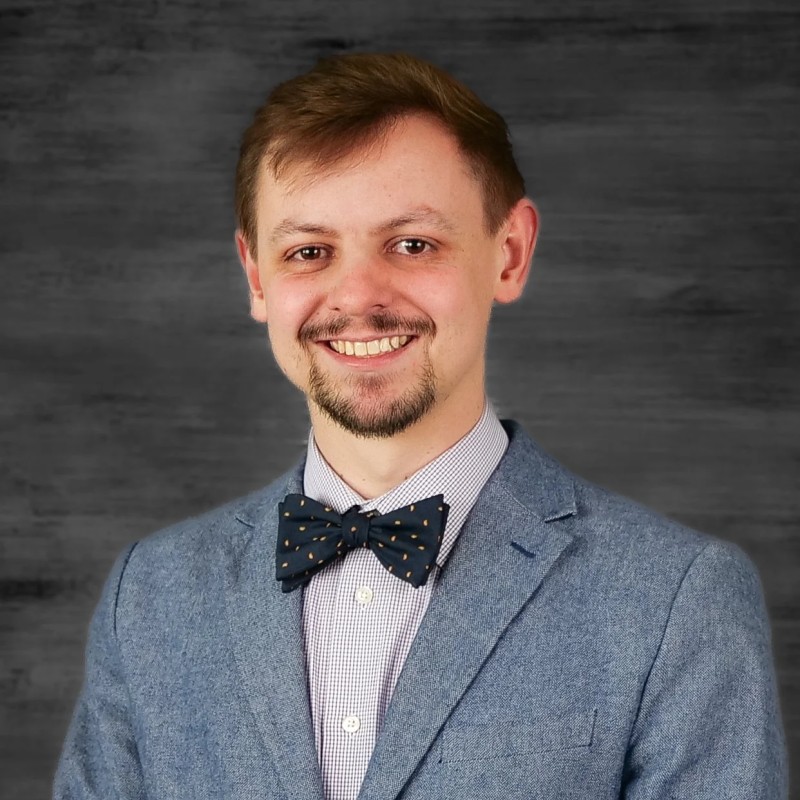
Pastor for Children & Families
Andrew joined the pastoral staff in January 2026. His vision is to see children and families flourish in Christ together, with the church and home working hand in hand. He longs for children to encounter the gospel in its simplest and most powerful form, to develop a love for God’s Word, and to participate in authentic worship. Andrew wants parents, especially fathers, to embrace their God-given role as primary disciple-makers, while finding encouragement, equipping, and rest from the church community.
Andrew is married to Hannah, with whom he shares the joyful privilege of parenting three children.
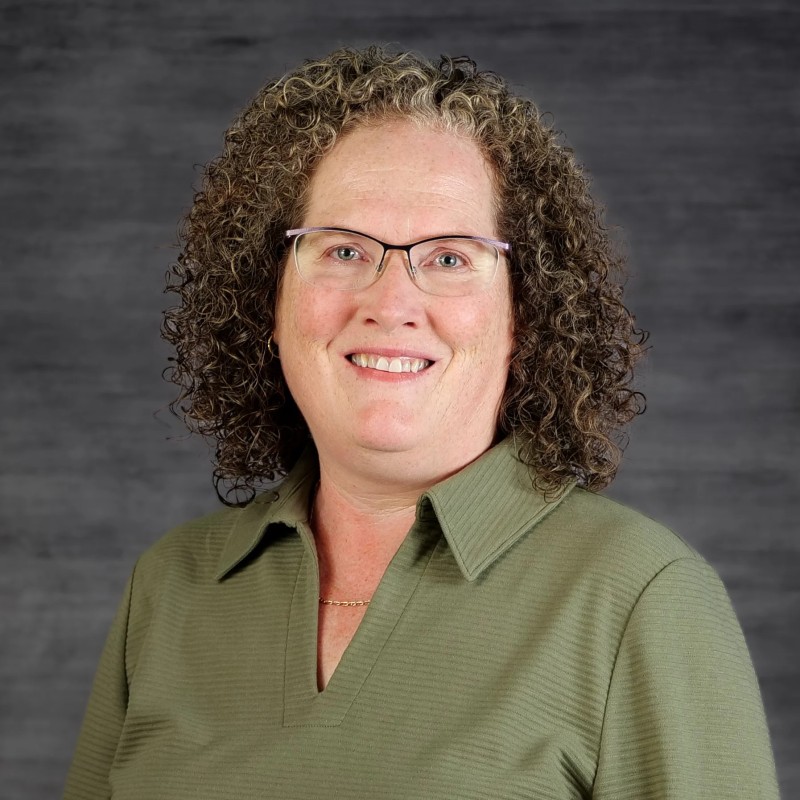
Director for Women’s Ministry, Deacon
Liz has served as a deacon since 2019. She finds joy in serving as The North Church Director for Women's Ministries, serving on the Biblical Counseling Team, and playing flute in the orchestra. She is thankful for how God has strengthened her own faith as she ministers to others. She and Steve have four grown children, three who are married, and love spending time with their three grandchildren.
Her prayer for The North Church is that we would “let the word of Christ dwell in you richly, teaching and admonishing one another in all wisdom, singing psalms and hymns and spiritual songs, with thankfulness in your hearts to God.” (Colossians 3:16)
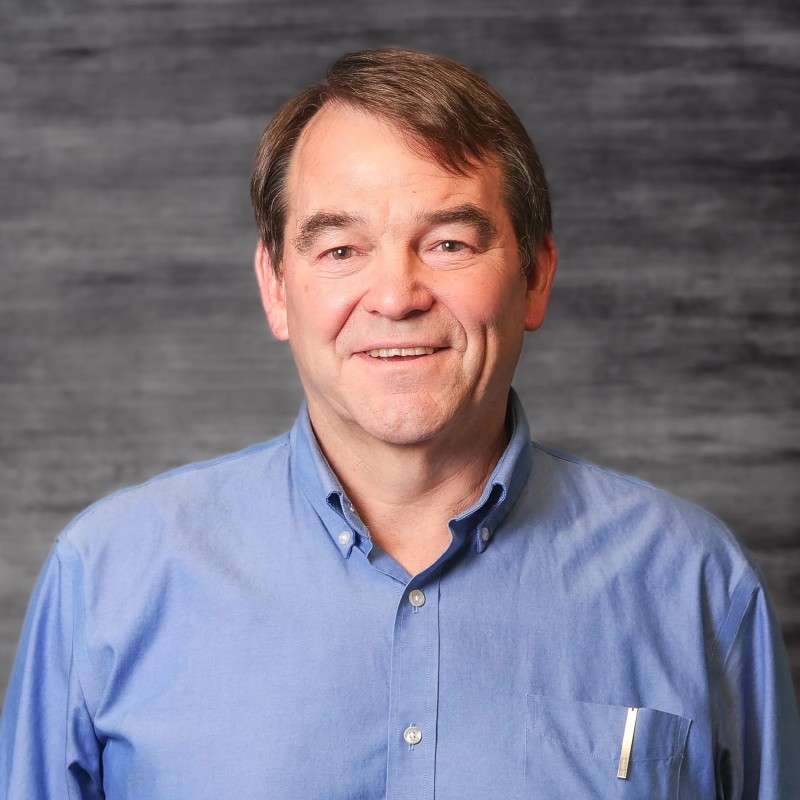
Deacon for Global Diaconate
Steve has served on the Global Diaconate task force since 2008 and has a passion for disaster response and serving the poor and needy around the world in the name of Jesus. He has participated in numerous ministry trips, both domestic and international, to help our global and trusted partners in response to natural and manmade disaster situations.
Steve is married to Beth, and they have been at Bethlehem and the North Church since 2001.

Deacon for Helping Hands
Joe is currently Chair of the Helping Hand Committee and has served in that capacity for over two decades. He desires to see God glorified by responding with compassion and practical help toward The North Church's members, regular attenders, and neighbors who are facing financial hardship. He has also served in Children's Ministry, ushering, and choir.
Joe and his wife, Julie, are parents to 3 adult daughters.
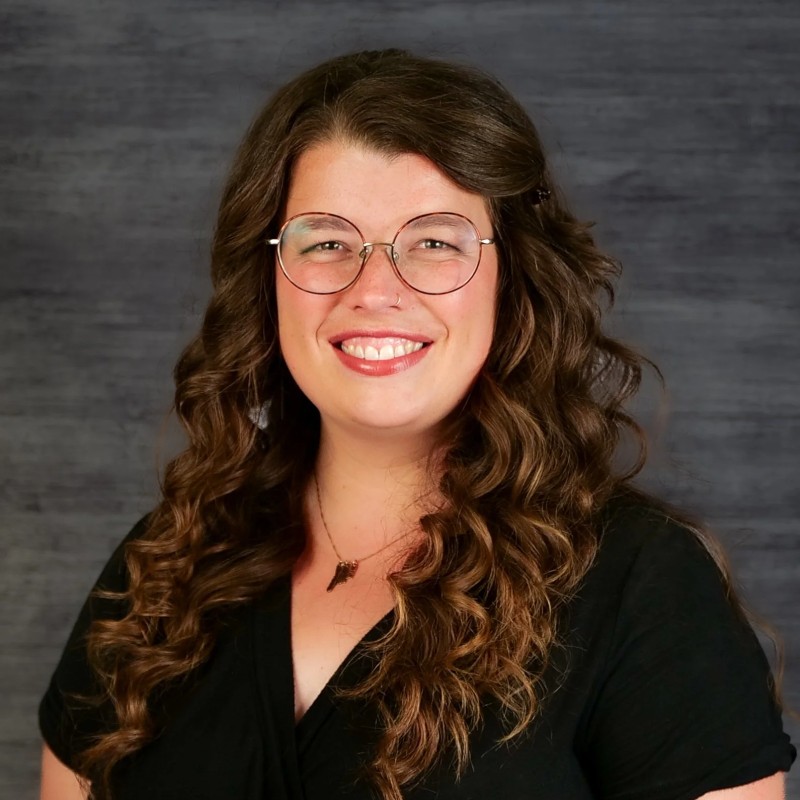
Deacon for Meals
As a deacon for meals, Beka seeks to serve the church practically as she sees modeled in Acts chapter 6. God has called the pastors and elders to shepherd and teach, and by God’s grace he has called Beka to help provide food for those in need. 2 Corinthians 1:3–4 says we are to comfort others with the comfort we have received from God ourselves. Many meals have been a comfort to Beka and her family as they have walked through difficult season. It is a gift for Beka to be able to comfort others in this way now.
Beka is married to Luke, and they have two sons. They have been attending The North Church since 2014 & 2012 respectively.
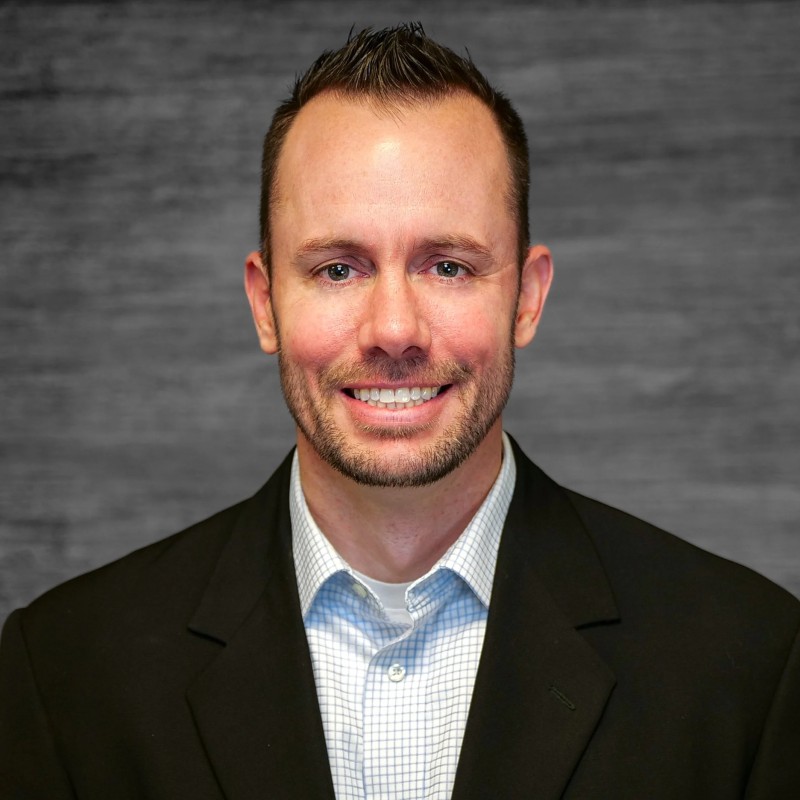
Treasurer
David has served as Treasurer since 2022. David sits on the Financial & Property Administrators team, where his primary responsibilities are to monitor and approve outgoing financial transactions and providing financial updates to the church during Quarterly Strategy Meetings. One of his main goals is to provide clarity through context (what he calls ‘giving the why behind the what’) and he seeks to make the complex simple. Financial matters have long been opportunities for division within churches, and David desires for members at The North Church to have ever-increasing trust in the Elders because information is communicated in a clear, transparent, and trustworthy manner.
David works for a major medical device manufacturing company. He holds a leadership position in Program Management. David is married to his wife Lauren. They have 3 children - Hannah, Grace, and Caleb. David and Lauren have attended The North Church or affiliates for 20+ years. David also teaches 5th grade Sunday School and is involved in men’s ministry.
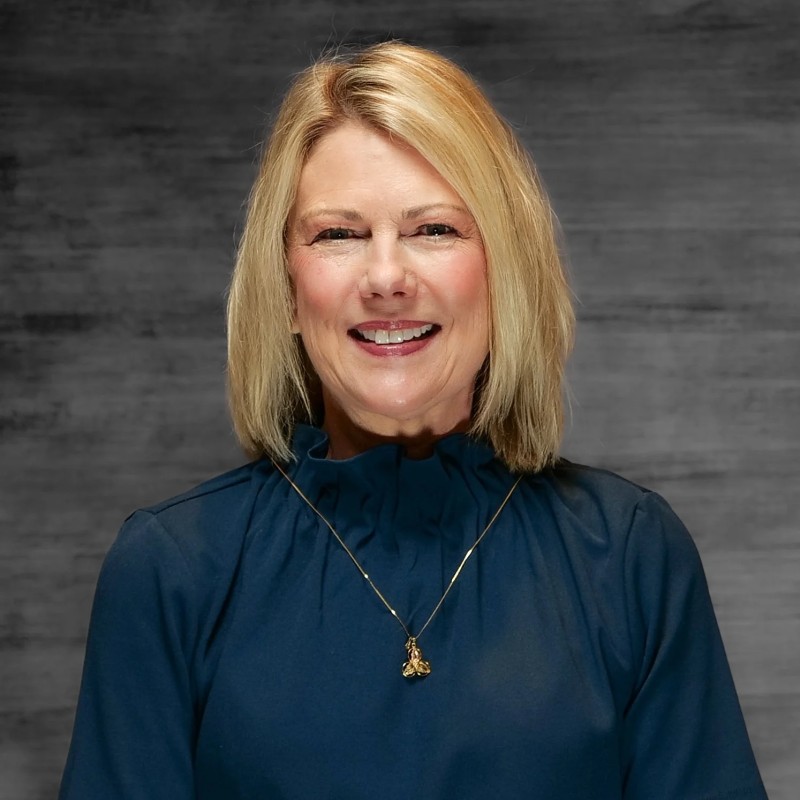
Deacon for Meals
Julie has served as a meal ministry deacon for the last several years. Her role is to assist in providing meals to those in need of care through meals.
“Just as I have loved you, you also are to love one another”. John 13:34
Julie is married to Bob and together they have been worshipping at the North Church since 2008.
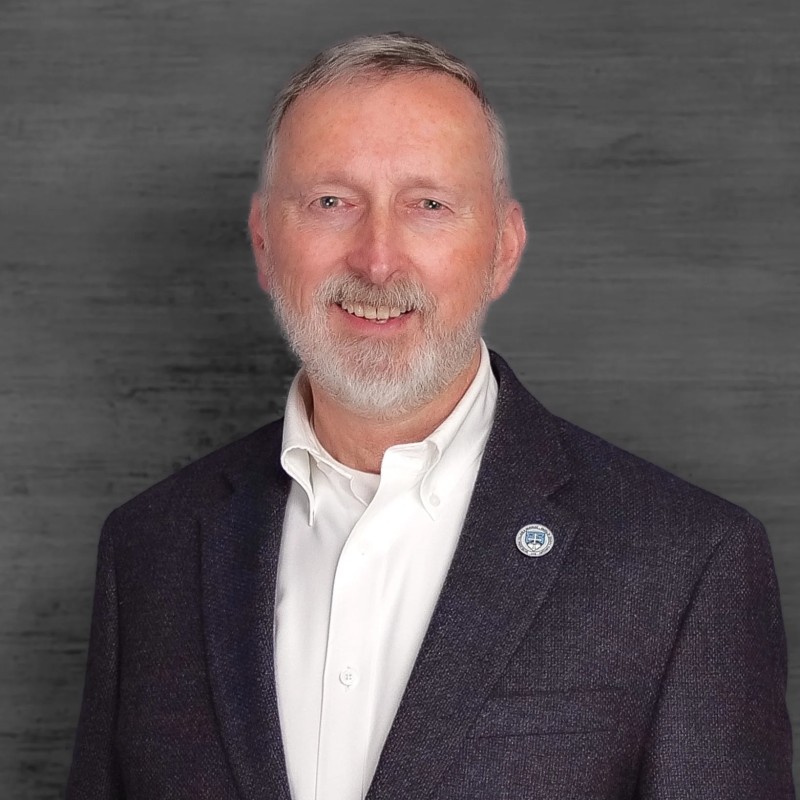
Elder
Tim and his wife Anita have been members of Bethlehem Baptist/The North Church since 1986. Tim has served the church in multiple roles over those years, including serving many years as an elder and teaching adult Sunday School classes. Dr. Tomlinson had a long career in Christian higher education. He served first as a professor and later as an administrator at three different institutions over the course of the last 40 years. In his most recent position, he served as the founding president of Bethlehem College and Seminary—a position he held for 12 years before retiring in 2021. He currently serves the school in the role of President Emeritus. Throughout the years, it has been Tim’s privilege and joy to be engaged in many and various ministries, both local and global, that have given him the opportunity to see God’s amazing work in an up close and personal way. His life continues to be dedicated to making much of God and pointing others to the beauty and glory of Jesus Christ.
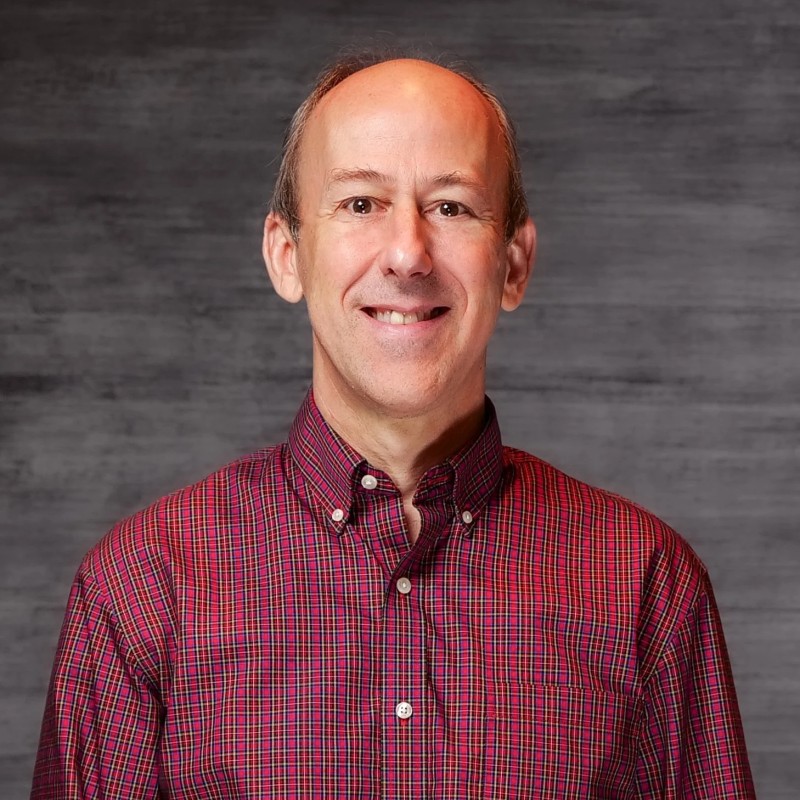
Elder, Vice Chairman
Steve has served as an elder since 2008 and has been involved in the Biblical Counseling ministry for much of that time. He loves seeing how God uses imperfect sinners and his Word to help other sinners make progress in their walk of faith. It is a joy to have a front row seat when people grow in their faith.
Steve has written one article at Desiring God.
Steve has been fortunate to be married to Liz since 1992 and they have four children (and one grandson!). He loves exploring God’s beautiful creation with his family by hiking, skiing, traveling and using his telescope.
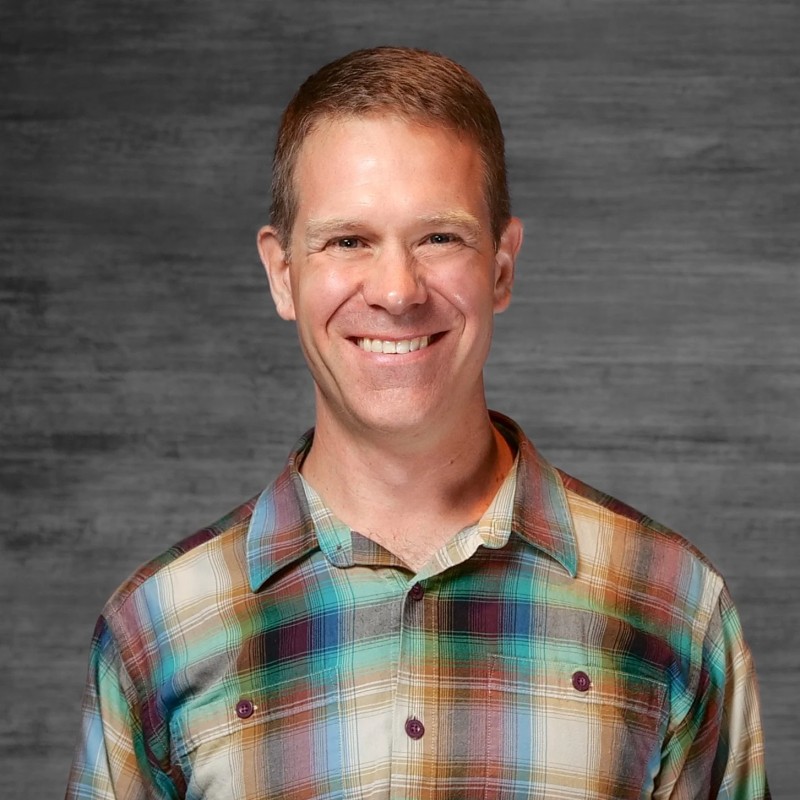
Elder
Jim has been joyfully serving at The North Church in informal roles such as Sunday school teacher, small group leader, and ESL tutor since 2005. The church called him to serve as an elder beginning in 2021. Jim desires to foster the work of disciples making disciples throughout the church.Jim is married to Sarah and they are blessed to have four delightful children. Jim’s work focuses on leadership training both in the U.S. and internationally.
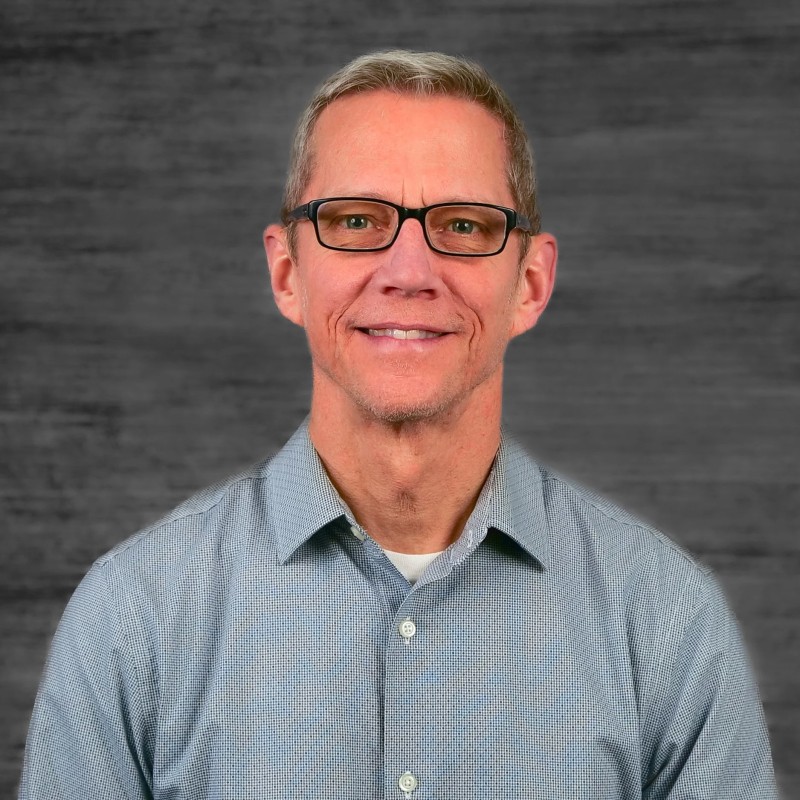
Elder
Vince has been at Bethlehem Baptist Church, now The North Church, since 1997. He served as an elder and the Outreach Pastor for 13 years. Before that he served with Cru for 23 years and recently completed the Master of Counseling degree from Westminster Theological Seminary. Vince and Kathy have enjoyed serving together in various ways. They helped teach a parenting class for many years. They recently led Discover The North Church, and currently serve on the biblical counseling team.
Vince has a passion for helping The North Church experience fullness of joy in God’s presence and pleasures forevermore at his right hand (Psalm 16:11).
Vince has been married to Kathy for 39 years. They have raised three children at Bethlehem and have two grandchildren. Since Vince retired from The North Church in 2023, they both work part-time at Joe’s Sporting Goods and love to spend time with family and friends.

Elder
Brian has been a member since 2017 and has served as an elder since 2021. It is his joy to serve through directing the worship choir and teaching Joint Heirs. His desire is to see each member growing in grace and in the knowledge of Jesus Christ (2 Pet 3:18) through intentional discipleship, including expressing their musical skills for the glory of God and for the blessing and edification of the body.
Brian is a professor of church history at Bethlehem College and Seminary and is an author. His primary historical interests are the Protestant Reformation, Puritanism, and the early Particular Baptists. He is a published choral composer and enjoys writing his own texts as well as composing new tunes for and arranging older hymn texts.
Brian is married to Johanna, and they have five children. He enjoys reading, listening to and playing classical music, and spending time with his family exploring the Minnesota outdoors.
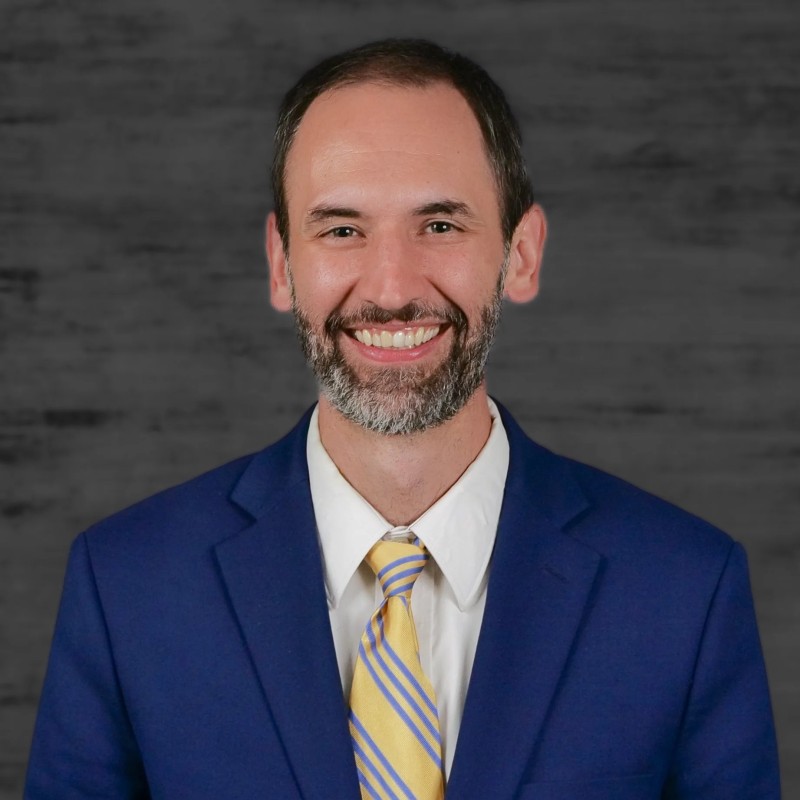
Elder
Joshua has been at The North Church since 2021 and is active in various ministries of the church. As an elder, Joshua desires to teach and shepherd God’s people with God’s word so that God is glorified in all things through Jesus Christ, particularly in and through the local church. He loves to see people turn from their sins to trust in, love, and serve the living and true God (1 Thessalonians 1:9).
Joshua is also a New Testament professor at our church’s school, Bethlehem College and Seminary, where he writes for the upbuilding of the church and trains future pastors to minister God’s word faithfully to God’s people. Joshua and his wife, Amelia, are blessed with four children. He loves drinking coffee, hiking in mountains, reading books, rooting for the St. Louis Cardinals, and spending time with his family.
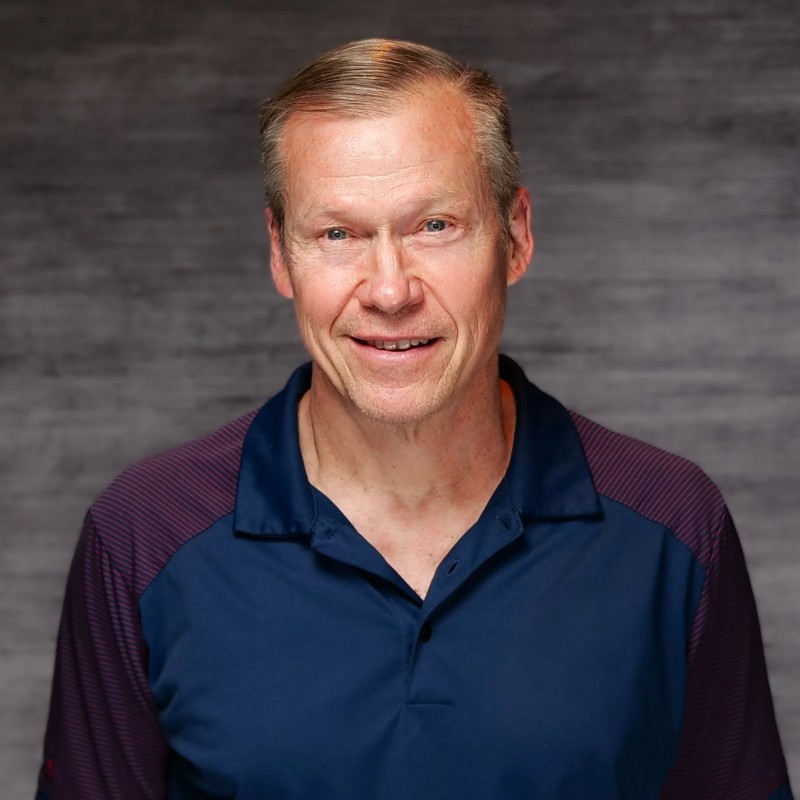
Elder
Tim has been at Bethlehem, now The North Church, for more than 35 years. He has served as an elder for more than 25 years. During those decades he has consistently taught young people, either on Sunday mornings or Wednesday evenings, and has often let the Elder Council. Tim sees a joyful connection between treasuring of the gospel and serving as a teacher and as an elder. He often describes one of the primary roles of teachers and elders as working with students and members of our body for their joy. (2 Cor. 1:24).
Tim is married to Molly. They raised their 5 children at Bethlehem. They have been at The North Church since it began in 2002.
Elder
Kurt has been at Bethlehem Baptist Church, now The North Church for more than 25 years. He has served as an elder for more than 15 years. He has had the pleasure of teaching and serving in a number of ways and in various areas over these years, including serving as a teacher and small group leader in the high school class for 10 of those years. It has been his joy to serve the church and he deeply believes that God is most glorified by us when we are most satisfied in him. His desire is that people would “taste and see that the Lord is good” and that he is our best refuge (Psalm 34:8).
Kurt has been married to Heather for more than three decades. They have raised two children at Bethlehem. Kurt is a physician. He serves as a medical leader in a local health system and maintains a part-time practice in internal medicine and pediatrics.
Elder
Bryan and his wife, Sarah, were members of Bethlehem’s North Campus in 2007–2008, and again since 2020. They have served on the Prayer Lab adult Sunday school team since 2022, and Bryan has been an elder at The North Church since 2024. Bryan’s life goal is to pursue joy in God’s glory through his word and Spirit, and to help others do so. He ensures quality control at Desiring God in the areas of resource production, communications, the office of John Piper, HR, events, and their board. Bryan and Sarah have five children and live in Little Canada. They enjoy reading, listening to (and making) music, watching football, eating popcorn, laughing, and walking together.
Elder, Chairman
Ryan has served as an elder at The North Church since 2022 and has been engaged in the church in various ways and roles since 2010. Ryan’s desire as an elder is to spend and be spent (2 Corinthians 12:15) shepherding people and structuring systems to allow for the people of God at The North Church to flourish as is fitting to their design as a masterpiece of the Creator (Ephesians 2:10). His hope is that by one degree at a time each of us would be molded into the image of our dear Savior, Jesus (2 Corinthians 3:18), and in all things our dependence on God would deepen, our joy in him would abound, and his glory would be increasingly displayed through us.
Ryan and his wife Julia have three sons, arrows they aim towards Jesus. Together as a family they actively look for God at work around them and delight in being outside in his creation. During the day, Ryan serves Desiring God by leading their operations and product strategy.
Elder
Nick was raised in a Catholic home and was very involved in the Catholic church through high school. During his sophomore year of college, through the power of the Holy Spirit, the Lord stirred in Nick a desire to study God’s word. That year, God drew Nick to himself and transformed his heart (John 6:44), and Nick trusted in Christ alone for salvation through faith (Romans 5:1–2).
Nick & Heidi have attended The North Church since moving to Minnesota in 2018. They have served in the Grade 5 and Middle School ministries. Nick & Heidi are also active in small group ministry. Nick is passionate about teaching and defending the word of God and seeing the truth of God’s word applied to leadership and church governance, enabling the church for every good work (2 Timothy 3:16–17).
Nick & Heidi are covenant members and are grateful for the impact of the church on their lives and the lives of their four children: Samuel, Benjamin, Joshua, and Eliana. With the power of the Holy Spirit, they aim to raise their family in the fear of the Lord and the comfort of the Holy Spirit (Ephesians 6:4, Acts 9:31).
Administrative Assistant for Women
Nursery Coordinator
Administrative Assistant for Worship, Coordinator for Choirs, and Reception

Assistant Coordinator for Nurseries
Administrative Assistant for Children & Families
Coordinator for Facilities
Administrative Assistant for Counseling and Discipleship
Administrative Assistant for Youth & Families
Coordinator for Children & Family Ministry
Administrative Assistant for Vision & Preaching

Coordinator for Facility Infrastructure
Coordinator for Connection Meals
Assistant Coordinator for Nurseries
Coordinator for ESL Outreach
Ministry Assistant for Global Outreach & Discipleship
Receptionist, Administrative Assistant for Operations & Care
Pastoral Assistant for Steven Lee
Financial Secretary
Sarah has served as a Deacon for the church since 2019. Her role as the Financial Secretary is to wholeheartedly glorify Jesus Christ, by maintaining accurate giving and revenue receipt records, and communicating appropriately with constituents. She feels a strong call and great excitement to serve in this role with The North Church.
Sarah has taught students majoring in Accounting and Finance at the University of St Thomas in St Paul for 10 years and has a degree in Business Administration. Sarah is married to Jason and they have two daughters. They have been at The North Church since 2011.
Ministry Assistant for Crisis Care

Director for Human Resources, Deacon for Helping Hands
Joby has been on staff since 1992. She has also served as a Deacon for a couple of decades. Her role in Human Resources calls for diaconal qualifications and she also serves the church through our Helping Hand, Global Outreach and Funeral ministries. Joby feels a strong call to serve The North Church family in the Lord's strength for his glory (1 Peter 4:11).
Joby is married to Jon and together they have been at The North Church since it began as a campus in 2002
Director of Campus Outreach Minneapolis
Reid has served as the Minneapolis Regional Director for Campus Outreach since 2019. His role is to lead a staff team that ministers to college students at The University of Northwestern St. Paul, Bethel University, The University of Minnesota and St. Thomas University. Reid saw the impact of evangelism and discipleship during his own time in college, and has a passion for students to know and treasure Jesus. Evangelism and Discipleship are needed, and college is the perfect time when students start thinking through and asking formative questions about what they believe and why they believe it. Reid loves seeing the power of God at work in student's lives in the Twin Cities and getting a front-row seat to see hearts move from death to life.Reid is married to Nikki and together they have 3 children. They have been at the North Church since 2008.
Director for Media Ministries
Campus Outreach North Area Director
Lucas has served on staff with Campus Outreach since 2014. Campus Outreach is The North Church's college ministry. He started off as the Campus Director at Bethel University and now is the North Area Director overseeing our staff and student ministry at Bethel University and University of Northwestern. Lucas loves discipleship, entrusting the gospel to the next generation so that they would be able to teach it others also (2 Timothy 2:2).Lucas is married to Ariana. They have two sons and one daughter. They have been at The North Church since 2009.
Pastor for Global Outreach
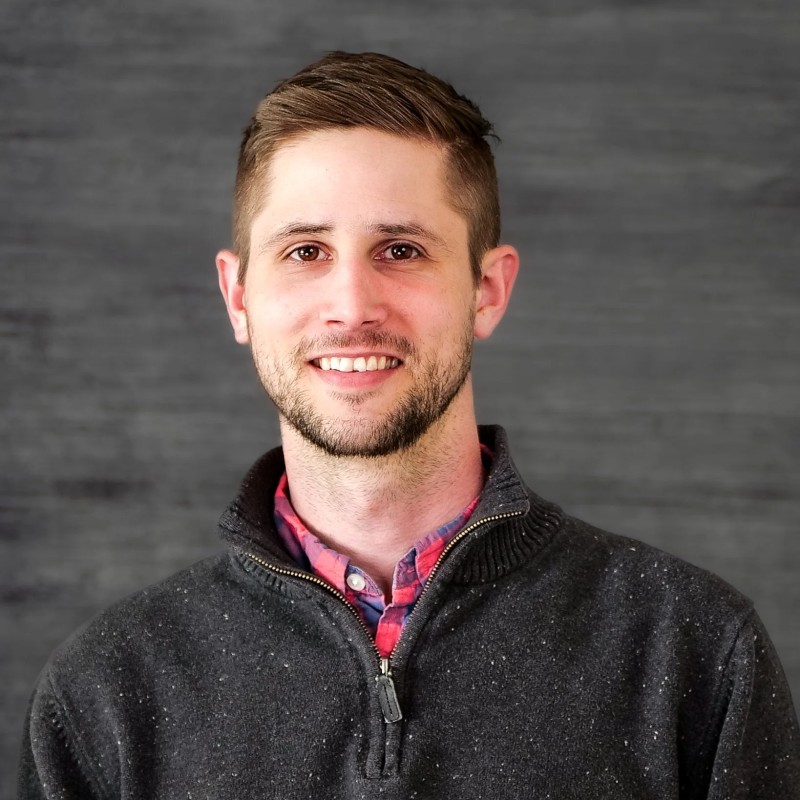
Nick joined the pastoral staff in June 2022 to help facilitate global outreach efforts at The North Church. Prior to that, Nick completed his MDiv at Bethlehem College & Seminary and served part-time in global outreach for Bethlehem Baptist Church. Nick is eager to serve The North Church as we seek to steward our people and resources to make mature disciples of Christ by planting and strengthening local churches among the nations.
Nick is married to Becky, with whom he shares the joyful privilege of parenting five children.
Pastor for Community Outreach & Connection
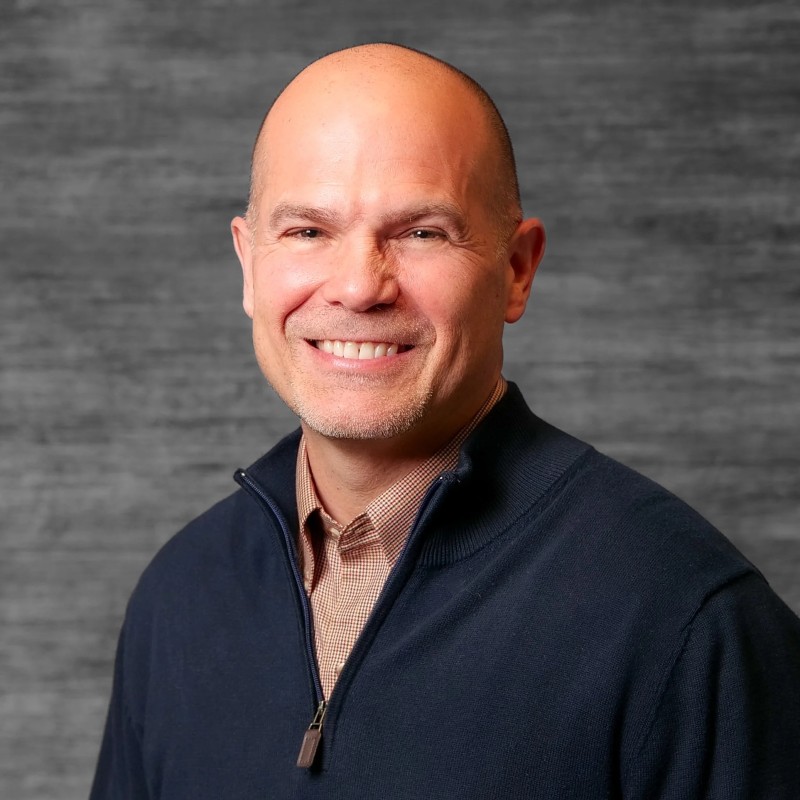
Jason has devoted much of his Christian life and pastoral ministry to seeing the gospel spread among the downtrodden. He served, since 2010, as a Treasuring Christ Together pastor in the impoverished neighborhoods of North Little Rock, AR. Jason arrived at The North Church in March of 2024, to oversee the welcome team, Discover The North Church Class, and local outreach. His aim is to stoke affections for God with the same Spirit-filled welcome that God Himself has extended to us, through Jesus Christ, so that God’s passion for His glory mobilizes The North Church into the surrounding communities. Jason longs to see this take shape through organized initiatives and organic, daily interactions (Romans 15:7-12).
Jason and Nicole (married in 1995) have three adult daughters and one granddaughter. They enjoy jogging or working out, a good cup of coffee, and genuine relationships that are centered on God in honest conversations.
Pastor for Youth & Families
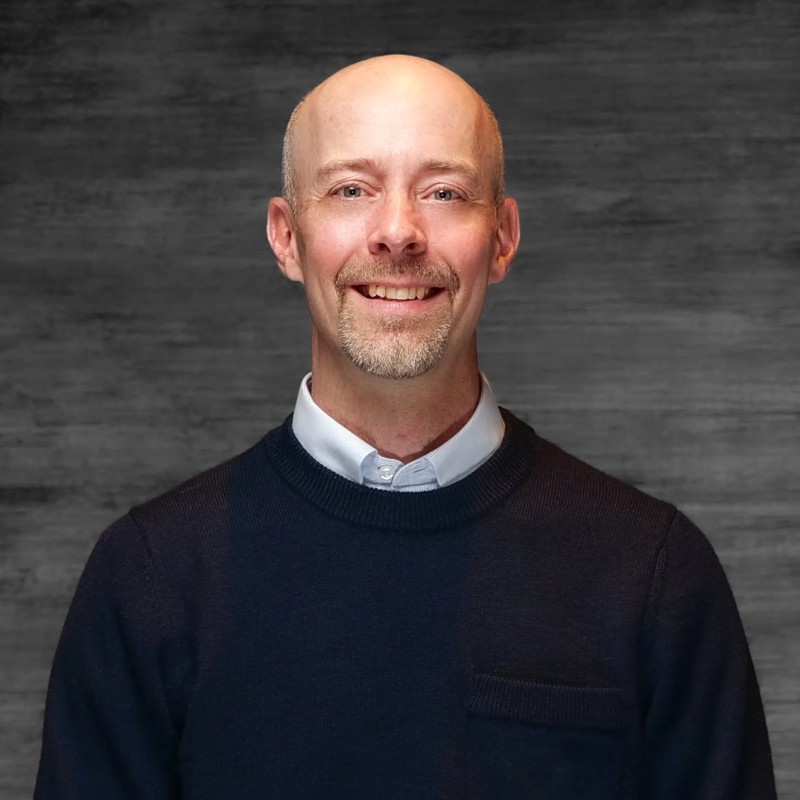
Jon has served students and their families for almost three decades. He is passionate about teaching God's intended message from Scripture, building a ministry shaped by God's word, and partnering with parents and the church body to help students find their joy in Jesus. His desire is that God would raise up many in the next generation who could be, "called oaks of righteousness, the planting of the LORD, that he may be glorified!" (Isaiah 61:3)
Jon is married to Mandy. They have attended The North Church since 2005 with their two daughters, one married, two sons, and one grandaughter.
Pastor for Counseling
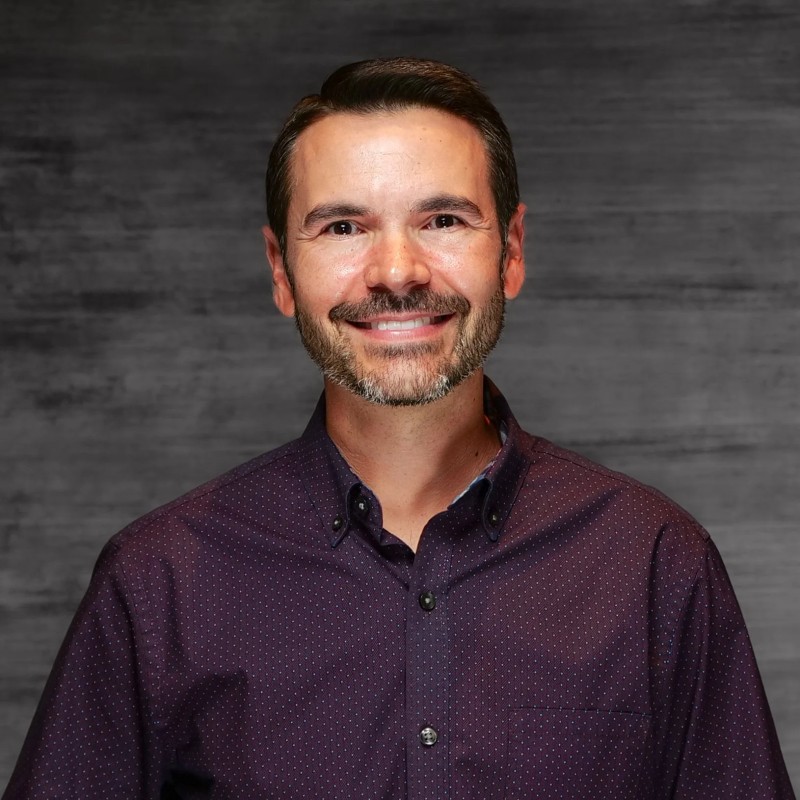
Brian has served in pastoral ministry since 2008 and here at The North Church since the summer of 2018. He is passionate about helping people face life’s challenges by building a relationship with them, opening up the Scripture, and pointing them to the hope and help found in Jesus. In addition to providing counsel, Brian enjoys leading our lay counseling team, overseeing crisis care, and equipping the church through teaching. His prayer is that the church would continue to develop a culture where we pursue meaningful relationships, share our struggles with one another, and speak the truth in love so that together we can become more like Christ. Brian is married to Kacie and they have been blessed with three wonderful sons and one daughter-in-law.
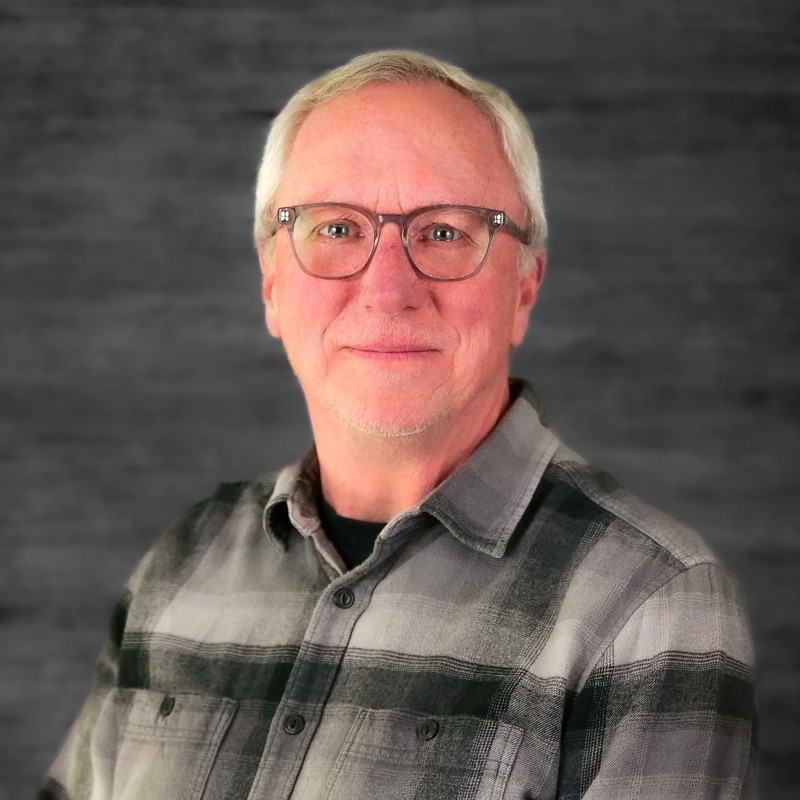
Pastor for Worship
Dan's passion for God and love for the local church motivates him to press on in shepherding at The North Church in worship and music. For more than two decades, in obedience to Jesus' command found in John 21:17, Dan has expressed his pastoral calling to "feed the sheep" by planning and leading corporate worship services Sundays, Wednesdays and on special occasions. Aiming to maintain the priority of singing God-centered, Christ-exalting and biblically-coherent songs, Dan serves alongside dozens of volunteer leaders who conduct, sing and play instruments for the glory of God and in advancing the gospel-savoring gladness of the people.
Dan and Liz have been married for more than 4 decades. The Holsts have 4 children, 3 of whom are married, and 6 grandchildren. They have been a part of The North Church since its inception in 2002.
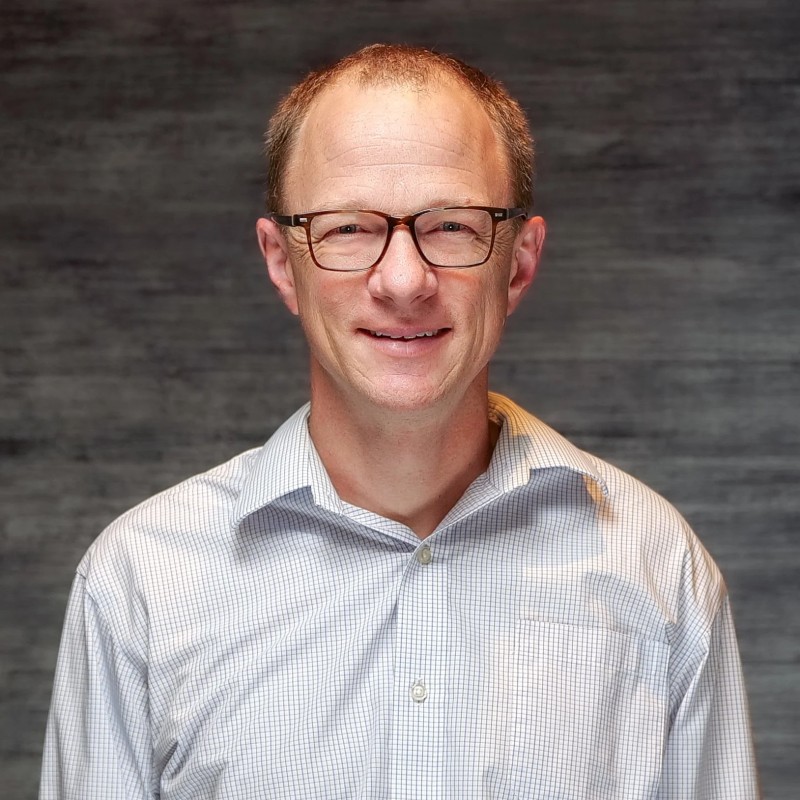
Pastor for Middle School & Families
Ben has served in Junior High or Middle School ministry since 2013. He loves leading young people to see Jesus in God’s word, partnering with parents for the evangelism and discipleship of their youth, and fulfilling his call as an elder. The North Church is truly home.
Ben is married to Amy, who also serves in a support role with our IT staff, keeping our database clean. They have four sons and one daughter.
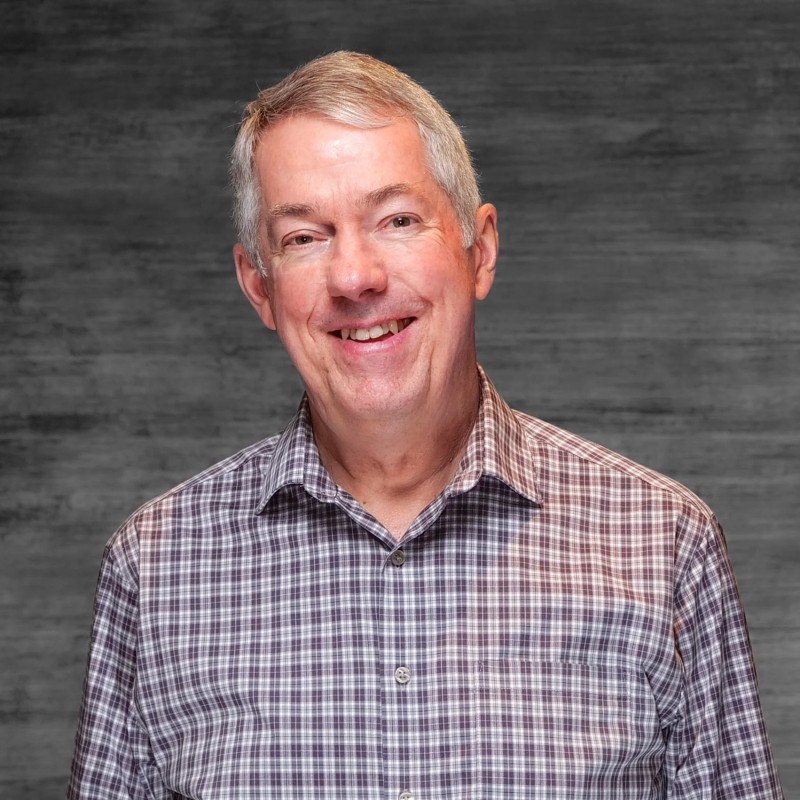
Pastor for Operations
Jon worked as a software developer and project leader for 25 years, and served as a Bethlehem non-staff elder leading the North Campus building project before coming on staff as Pastor for Operations in 2006. His role involves coordinating many behind the scenes ministries (building & property, IT, media, HR, finance, etc.) to keep them aligned with and supporting The North Church’s ministry goals, joyfully serving in the strength God supplies so that He gets the glory. Jon enjoys helping to keep the congregation informed about various financial needs and “quantifying our ministry vision” through an annual budget presentation. Jon and Pam have been married for more than four decades, and live in New Brighton. They raised their two children at Bethlehem, both now married, and have six grandchildren. They have been a part of The North Church since 2002.